We’ve all seen it. Something weird in your Facebook feed that has just appeared: Rebecca, red. No description, no background, no name and no color and everyone, more so men are thoroughly puzzled. This was the breast cancer awareness meme at its most viral, most playful and quite frankly, its hollowest.
The case study is one of the most provocative ones I had ever heard of as a learner of social media marketing. It compels us to reach a question, which is uncomfortable yet substantive: Does going viral do anything meaningful?
Why Everyone Was Hitting “Share”
Proper credit where proper credit is prepared. This campaign contained all the spices of a meme. It was secret, special and entertaining. Women were the only ones in the game, and in consequence, this gave the feeling of belonging and insider culture, which contributed to making people eager to join the game. Having dozens of their friends share the same enigmatic status, the psychological persuasion to do the same is nearly impossible to resist. It was without being pushy and aggressive, it was warm, light-hearted, and of such effortlessness.
The very low entry barrier is what caused millions of women to respond hits on post without a second thought. The individuals enjoy being made to believe that they are a part of something that is greater than they are, provided that they are not required to spend anything on it but rather take a couple of short moments.
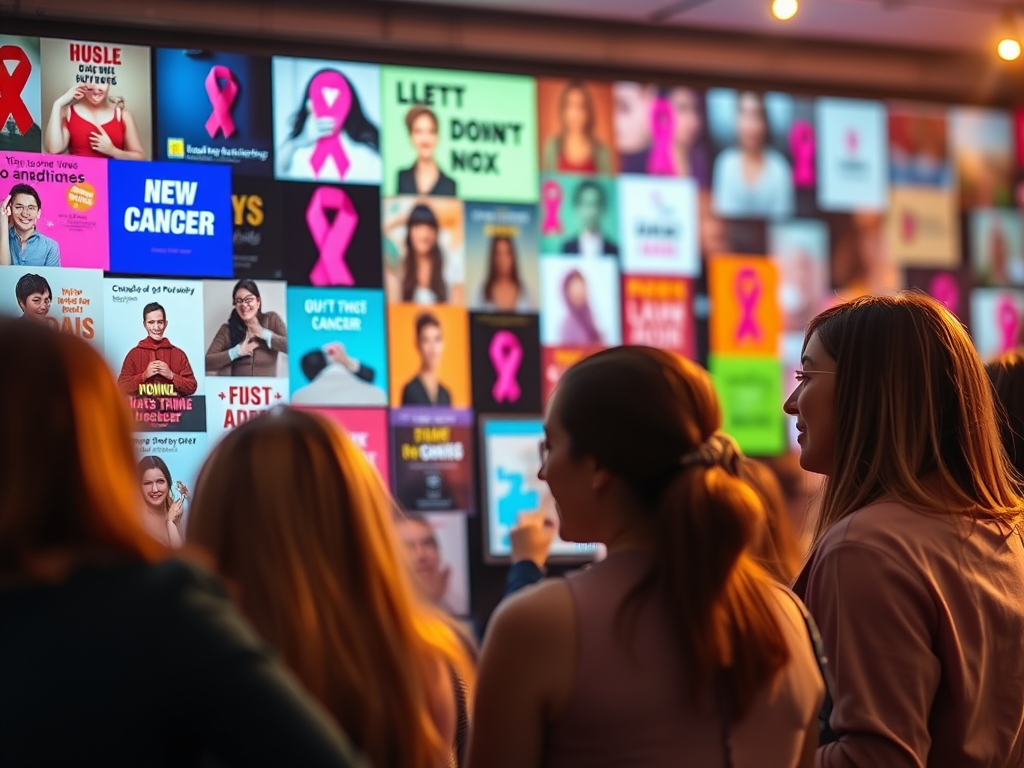
The Part Nobody Wants to Talk About
This is the point where marketing comes in to play, and it is uncomfortable having someone share their color of bra on Facebook and having it not do anything to assist one to get a mammogram.
According to the Susan G. Komen Foundation, there was an increase in interest and donations on the apex of the meme, yet the association of that money to the campaign is literally challenging. And what bothered lots of the viewers – and should bother any serious marketer – is that the campaign was created with the express aim of locking out men. The teachings literally informed women not to reveal the secret to men.
The problem with that?
The number of men who are diagnosed with breast cancer annually in the United States is over 2,000, with hundreds of them dying as a result annually. Creating a campaign based on confusing half of the population on the issue of a disease that they too can fall prey to is not merely missing a good chance. It is an inherent strategic deficiency.
Great cause marketing ought to broaden the sphere of concern rather than narrow it down.
Diffusion vs. Mobilization — The Real Lesson Here
It is what every social media marketer ought to deeply internalize. Having a meaningful difference between diffusion – extending a message outward – and mobilization – transforming the attention into actual, permanent behavior change.
The breast cancer meme was outstanding in the diffusion. It spread quickly, extensively and broadly over all sections. However, it was unsuccessful in mobilization as it left people without a way forward. It did not have any donation association, a reminder to make a screening appointment, or any sort of call to action. People reposted it, went feeling good about themselves a couple of five minutes, and went about their day.
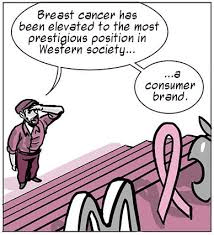
That was in comparison with the ALS Ice Bucket Challenge which matched the same viral power with a single clear and unmistakable demand: donate now. The campaign generated more than 115 million dollars and invested in actual treatment breakthroughs. Same buzz, same liking – totally different result. It was just that the difference provided people with something worth going to after interaction.
What Every Marketer Should Take Away
Brands and nonprofits must successfully answer one question to themselves, before any campaign takes off: What do we actually want people to DO after they see this?
Enlightenment on its own is seldom the bottom. When your audience leaves having been entertained and yet still unchanged, you might have given an outstanding party which your audience forget all the following day. The best social media plans associate emotional appeal at direct action – micro donation, meeting a doctor, a signature on the petition, a habit modified.
The meme about breast cancer is an ideal PSA since virality is a means, and not an end. It has the potential of relaying your message to millions of people within a few days. However, when there is nothing constructive whatsoever that the said people can do once they are there, then that same momentum just disappears without much ado.
Chase the share.
Chase the emotion.
Chase the engagement.
You just need to make sure that there is something good to do on the other side of it.
 Danielle Rivas